

Follow this practical office relocation timeline to plan your Santa Barbara move smoothly

Moving a Wine Collection in California: What to Know
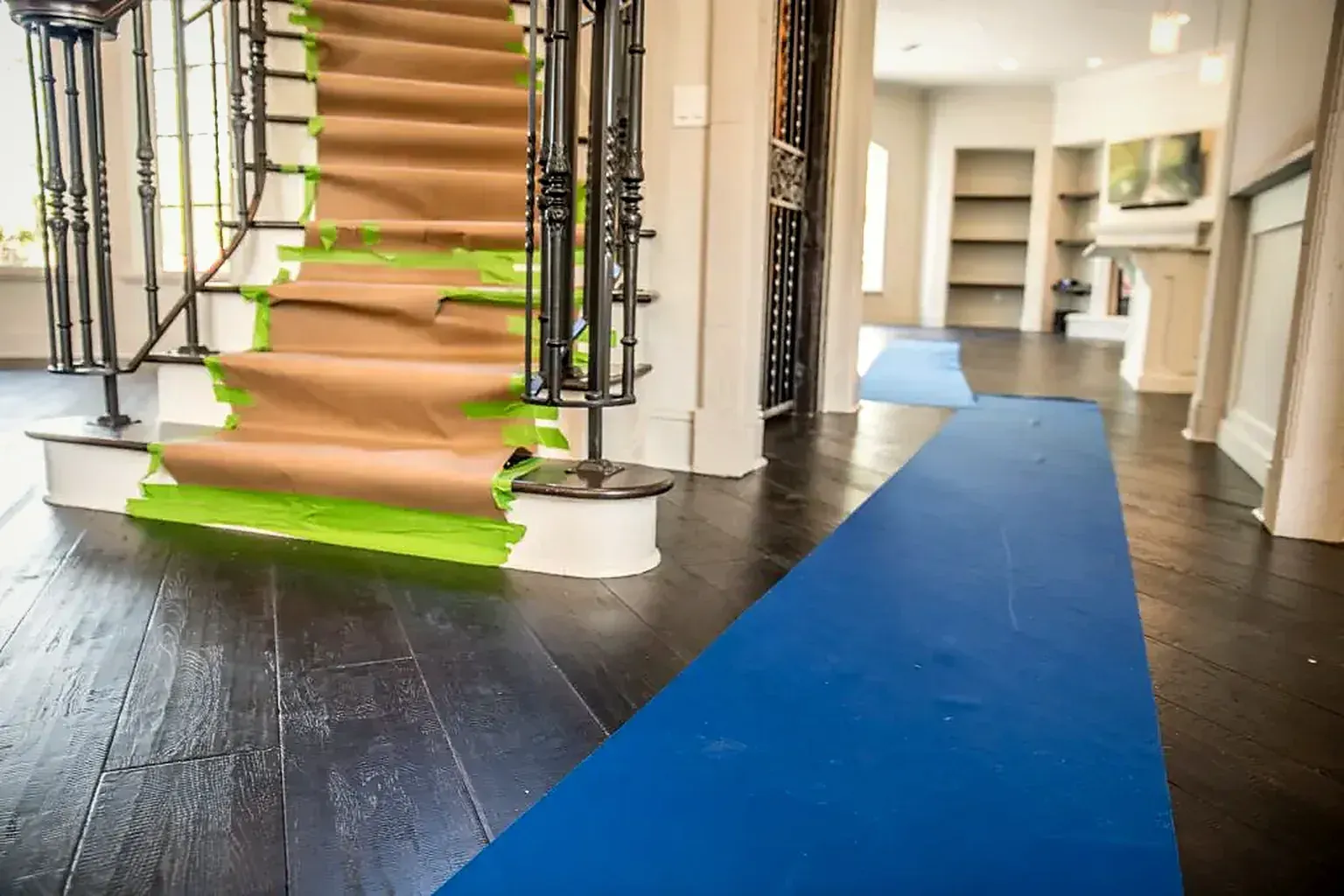
Plan a flawless move with our luxury home moving checklist: walkthrough, inventory, floor and furniture protection, and final placement.

Planning a Santa Barbara move? Use Stirling Moving & Storage’s free calculators, checklists, and printable tools to budget, pack, and prepare with no sign-up.

Montecito Estate Movers: How We Plan for Gates, Long Driveways, and Hillside Homes

A Practical Relocation Guide for Buyers and Renters

Looking for Montecito movers? Learn what white glove moving includes, how it differs from a standard move, and how to choose the right team.

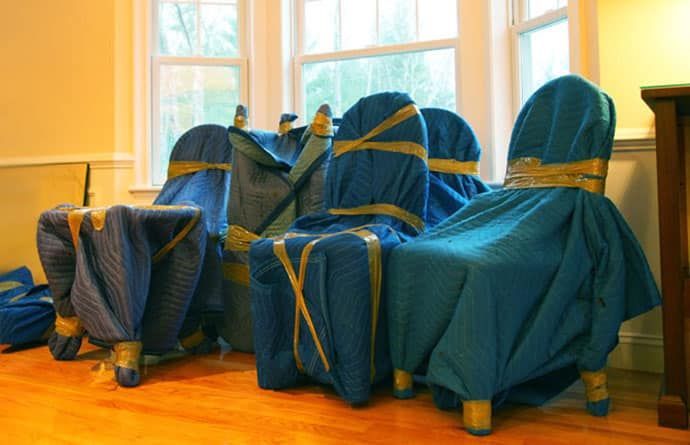
Simple padding, smart labeling, and proper loading habits can help keep glassware, dishes, artwork, and family keepsakes safe during a move.
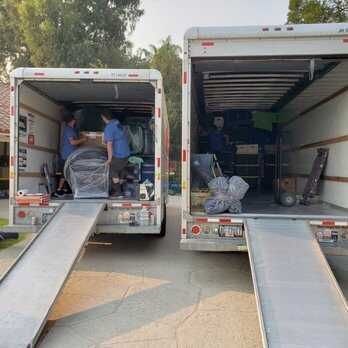
A real Santa Barbara moving-day planning guide: parking, building access, elevators, property managers, and timing

Santa Barbara Moving Truck Access Guide: Parking, Permits, Hillside Homes & Difficult Moves Moving in Santa Barbara can involve more than packing boxes and scheduling a truck. Depending on your property and street, a successful move may require advance parking coordination, careful truck placement, stair planning and a realistic assessment of how furniture will get from the truck to your front door. From hillside homes in the Riviera and Mission Canyon to downtown apartments, coastal properties and residential streets throughout the area, access conditions can affect how a moving day needs to be organized. At Stirling Moving & Storage, we recommend evaluating access before moving day—not after the truck arrives. A little preparation helps your moving team plan equipment, staffing, loading arrangements and the safest practical way to move your belongings. In this guide, you'll learn what to consider when planning a move in Santa Barbara, where to find official parking information, and what to discuss with your moving company before confirming your move. 1. Why moving truck access matters in Santa Barbara Two homes with similar square footage can require very different moving plans. The difference may be the driveway, the distance between the truck and the entrance, the number of stairs or the amount of room available for loading. Before your move, consider these five factors: Street width: Is there enough room for the moving truck to approach, position itself and leave safely? Parking availability: Is there a suitable legal place to load and unload? Driveway and slope: Can the truck safely access the property, or would a different loading arrangement be necessary? Distance to the entrance: Will movers need to carry furniture along a long walkway, up steps or around obstacles? Building restrictions: Does the property have designated loading hours, elevator reservations or rules for moving crews? These details are worth sharing with your mover when requesting an estimate. Photos and a short video of the approach, driveway, entrance and largest items can help identify potential complications before moving day. 2. Moving truck parking and permits in Santa Barbara One of the most important planning steps is determining whether your truck can legally park where it needs to load or unload. The City of Santa Barbara regulates oversized-vehicle parking and provides a process for requesting parking restrictions for moving trucks and other temporary uses of the public right-of-way. Requirements depend on the vehicle, location and proposed arrangement. When might you need a parking permit? If you need to reserve curb space on a City street for a moving truck, the City directs applicants to its Public Works Permit Counter and Parking Restriction Waiver process. Start with these official resources: City of Santa Barbara — Street Parking and Oversized Vehicle Restrictions City of Santa Barbara — Public Works Permit Counter City of Santa Barbara — Downtown Parking Permits and Oversized Vehicle Permits The City lists the Public Works Permit Counter at 630 Garden Street and provides the phone number (805) 564-5388 for permit questions. Confirm current contact details and application instructions before submitting a request. City of Santa Barbara+1 Allow time for temporary curb reservations The City's published procedures for parking restriction waivers state that no-parking signs must be posted at least 72 hours before the reservation date for the reservation to be honored. The procedures also restrict where reservations can be placed, including red- and blue-painted curbs. City of Santa Barbara Because permit conditions can vary, contact the City early and verify the current requirements for your particular street and truck. Important: Do not assume that hiring a moving company automatically reserves public street parking. Confirm who is responsible for applying for any necessary permit, posting signs and checking the approved dates and location. 3. Planning a move on hillside streets and steep driveways Some Santa Barbara properties have sloped driveways, winding approaches, limited turnaround space or steps leading from the street to the home. These conditions do not necessarily prevent a move, but they can change how the crew approaches the job. Riviera and Mission Canyon When planning a move in hillside areas such as the Riviera or Mission Canyon, consider: The steepness and surface condition of the driveway. Low branches, overhead obstructions and tight turns. Whether a truck can enter and exit without difficult reversing. The number of steps between the parking location and the front door. Whether large furniture can fit through the entrance and stairways. Whether a smaller vehicle or a different loading position should be discussed with the moving company. These are site-specific considerations, not blanket restrictions for either neighborhood. Conditions vary from property to property. What if the truck cannot reach the front door? Depending on the site, a moving company may need to evaluate a legal alternative parking location, a longer carry, additional handling time or a different vehicle arrangement. A shuttle vehicle may be worth discussing when a larger truck cannot safely or legally reach the property. Whether this is appropriate depends on the access route, vehicle availability, cost and the mover's assessment. The best approach is to disclose the conditions during the estimate rather than assume a particular truck can reach the home. 4. Downtown apartments, condos and historic properties Downtown moves can present a different set of challenges. Parking meters, curb restrictions, pedestrian activity, narrow access points and limited loading areas can all affect where and when a crew can work. For apartment and condominium moves, contact the property manager before moving day and ask: Is there a designated loading zone? Does the building require an elevator reservation? Are there specific move-in or move-out hours? Is a certificate of insurance required? Are there rules about protecting floors, walls or shared hallways? Is there a loading dock, service entrance or height restriction? Who is responsible for coordinating any required public-street parking arrangements? For historic homes or buildings with narrow entrances, measure doorways, stair turns and other tight points before moving large furniture. Photographs of difficult areas can help your moving company plan. A building's internal rules and City street-parking regulations are separate matters. Confirm both when applicable. 5. The Mesa, coastal properties and long carries Not every difficult move involves a steep hill. A property may be relatively flat yet have limited truck access, a long path from the street, landscaping that restricts movement or stairs between the parking location and the entrance. For properties in the Mesa and other coastal residential areas, assess the actual address rather than relying on the neighborhood name alone. Before moving day, identify: The nearest legal and practical loading location. The walking distance from the truck to the entrance. Gates, narrow paths, steps and uneven surfaces. Large or fragile items that may need additional handling. Any restrictions imposed by a homeowners association or property manager. Whether weather or outdoor conditions could affect the route. Do not assume a curb location is available simply because it is close to the property. Check posted signs and applicable restrictions. 6. How difficult access can affect your moving estimate Moving costs depend on several factors, including the size of the move, distance, labor, packing requirements and the services requested. Access conditions may also affect the amount of time and handling a job requires. For example, movers may need to account for a long carry, multiple flights of stairs, additional protective materials or a different vehicle arrangement. When requesting a quote, describe the conditions as accurately as possible. Tell your mover if: The driveway is steep or unusually narrow. The truck may not be able to park directly outside. There are several flights of stairs. The property has a long path or restricted entrance. Large furniture must pass through tight doorways. The building requires a specific loading window or advance documentation. Ask whether the estimate includes the anticipated access conditions and how changes in the actual circumstances would be handled. An accurate description helps the moving company develop a realistic plan. It also helps you understand what is included in the quote before the move begins. 7. Your Santa Barbara pre-move access checklist Use this checklist before confirming your moving date. Photograph the street and the intended truck approach. Photograph the driveway, entrance, steps and narrow pathways. Measure tight doorways and stair turns for large furniture. Check posted street signs and parking restrictions. Ask the City whether a Parking Restriction Waiver is needed. Confirm who will apply for and coordinate any required permit. Ask the property manager about loading times and elevator reservations. Tell the mover about steep grades, long carries and limited turning space. Confirm the access plan and any related charges before moving day. 8. How Stirling Moving & Storage can help you prepare Every property has its own access conditions. Discussing those details before moving day gives your moving company an opportunity to identify questions, plan the loading arrangement and determine whether additional coordination is necessary. When arranging your move with Stirling Moving & Storage, share any concerns about parking, hills, stairs, long carries, building restrictions or oversized furniture as early as possible. Our goal is to help you understand the practical considerations for your move and prepare for a more organized moving day. If you are planning a move in Santa Barbara, contact Stirling Moving & Storage to discuss your property, moving requirements and the best way to prepare. Planning a move? Request a moving quote from Stirling Moving & Storage . Frequently asked questions Do I need a permit to park a moving truck in Santa Barbara? It depends on the truck, location and parking arrangement. The City has oversized-vehicle parking restrictions and a Parking Restriction Waiver process for curb reservations. Check the City's current requirements before reserving space. City of Santa Barbara+1 How far in advance should I arrange moving truck parking? Start as early as possible, especially if you need to reserve curb space. The City's published waiver procedures require no-parking signs to be posted at least 72 hours before the reservation date. Verify current instructions and timing with the City before relying on that schedule. City of Santa Barbara Can a large moving truck access Riviera or Mission Canyon homes? Access depends on the individual property, street layout, driveway, turning room and vehicle dimensions. Share photographs and access details with your mover so the appropriate vehicle and loading plan can be evaluated. What if there is no parking directly in front of my home? First, determine which nearby locations are legal and practical for loading. Depending on the property, a different loading position, longer carry or alternate vehicle arrangement may be possible. Any curb reservation or permit must be handled according to applicable City requirements. Can a moving company arrange my parking permit? Ask your moving company whether it will assist with the permit process and who is responsible for submitting applications, posting signs and confirming approval. Do not assume those tasks are automatically included in the moving service. Will difficult access increase my moving cost? It can, depending on the labor, equipment, time and handling required. Describe the conditions when requesting your estimate and ask how access-related work is reflected in the quote. Should I send photos before getting a moving quote? Yes. Photos of the street, driveway, entrance, stairs and any narrow access points can help your mover identify questions that may need to be addressed during the estimate. Where can I find official Santa Barbara moving truck parking information? Start with the City's Street Parking page and the Public Works Permit Counter .